Remote jungle archaeology · From Xpujil
Calakmul From Xpujil: Is the Deep-Jungle Journey Worth It?
A practical Calakmul guide from Xpujil covering the reserve road, full-day timing, heat, walking, nearby Maya sites, lodging choices, and easier alternatives.
Reviewed and updated July 12, 2026. Conditions, fees, access systems, and transport practices can change.
Access Reality Check
The reward, the catch, and the effort
The reward: A major Maya city inside a vast protected tropical forest, with monumental architecture and a sense of scale that depends on the remote setting.
The catch: The reserve approach, current access arrangements, heat, walking, fuel planning, and the return to Xpujil turn the visit into a deliberate expedition.
Best practical base: Xpujil or the nearby Río Bec corridor
Worth it if…
- Calakmul itself—not merely checking off another Maya ruin—is one of the main reasons for your trip.
- You value the forest setting, long approach, and sense of remoteness as part of the experience.
- You can start early, carry water and food, and leave enough energy for the drive back.
Think twice if…
- You are sleeping in a distant city and hoping to squeeze Calakmul between other major stops.
- Heat, long walks, limited services, or a long road day will dominate your memory of the site.
- Becán, Chicanná, or Xpuhil would satisfy your archaeology interest with far less effort.
Calakmul is not a convenient ruin with a jungle backdrop
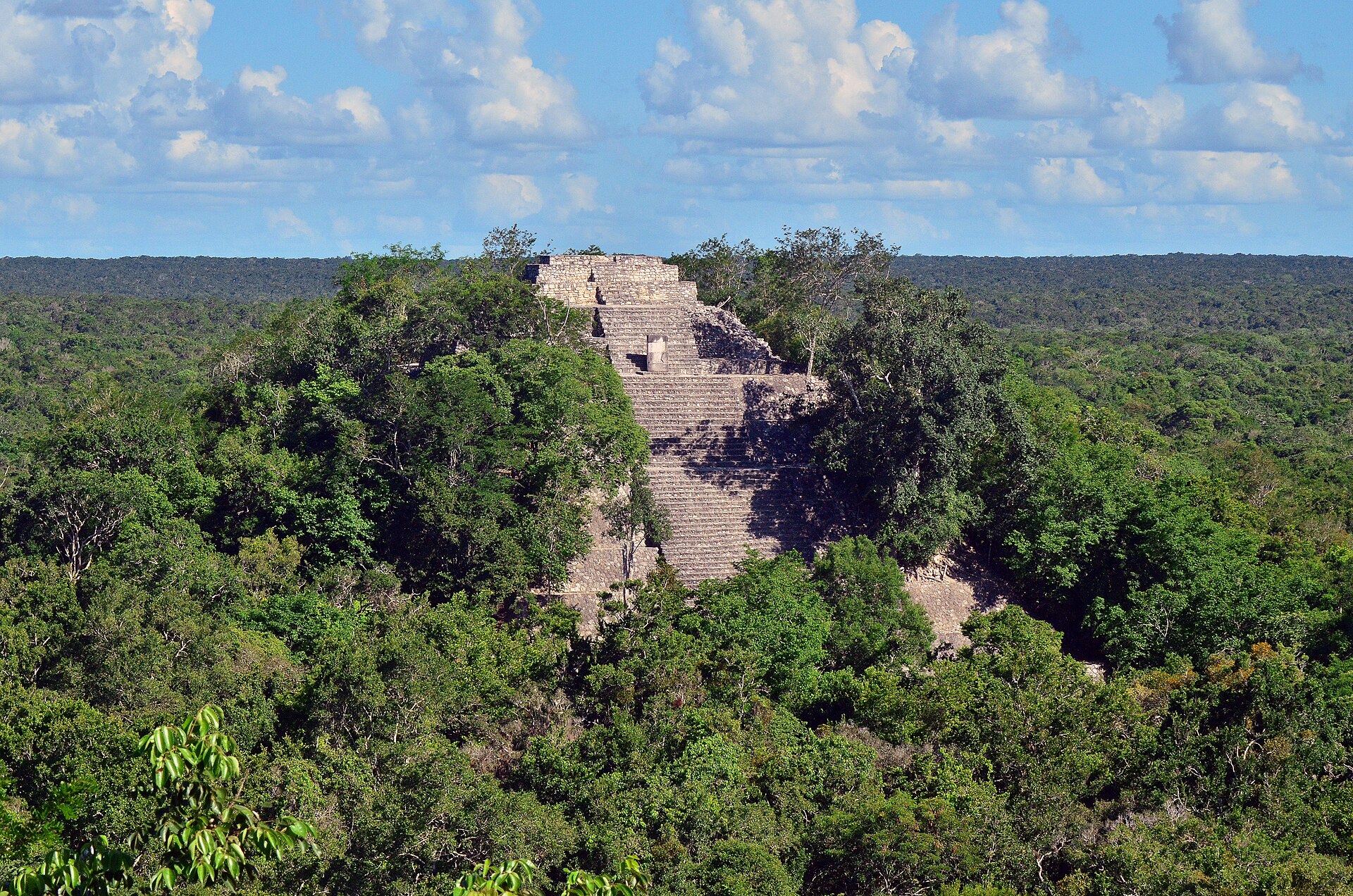
Calakmul earns its reputation because the ancient city and the forest are inseparable. The site sits deep inside the Calakmul Biosphere Reserve, far from the polished resort corridors that make other Maya sites easy to add to an itinerary.
That remoteness is not decorative branding. It changes the day.
You need a practical base, a current access plan, an early start, enough fuel, enough water, and enough patience for the return. The central question is not simply whether Calakmul is impressive. It is whether your itinerary gives the site enough time to be impressive.
Why Xpujil is the correct base
Xpujil is the municipal and transport center on Highway 186. It offers the useful things a remote archaeological day needs: lodging, restaurants, fuel, local information, and proximity to several smaller Río Bec sites.
From Campeche City, Bacalar, Chetumal, or other distant bases, the trip becomes much more fragile. A late departure, road delay, weather change, or misunderstanding about current entry procedures can consume the margin before you reach the archaeological zone.
Staying in Xpujil does not make Calakmul easy. It removes avoidable difficulty.
The route has several layers
A traveler looking at a map may see one road from Xpujil to Calakmul. Operationally, the trip has several distinct parts:
- Leave Xpujil with fuel, water, food, and current information.
- Travel along Highway 186 toward the reserve turnoff.
- Pass the relevant access, checkpoint, or visitor-control process in effect that day.
- Continue through the reserve approach.
- Walk the archaeological zone in tropical heat.
- Return through the same remote corridor before fatigue or weather makes the drive unpleasant.
Any guide that compresses those steps into “drive to Calakmul” is describing geography, not the day.
Self-drive, transfer, or guided visit?
Driving yourself
A car provides the most control over departure time and allows you to combine Calakmul with Xpujil, Becán, Chicanná, Balamkú, or another stop in the Río Bec region.
It does not eliminate the need to verify current reserve access. A vehicle is transportation, not permission.
Driving is strongest when:
- Calakmul is one part of a wider Campeche–Chetumal road itinerary
- you are comfortable with remote roads and limited services
- your driver can handle a long return after heat and walking
- you are willing to abandon extra stops when the day runs long
Organized transport or guide
A transfer or guided visit may remove route uncertainty and driver fatigue. The useful questions are:
- where pickup begins
- what entry and reserve transport are included
- whether the guide remains inside the archaeological zone
- how much time is spent at Calakmul
- what happens if access rules or weather change
- whether nearby sites are included or merely mentioned
Do not buy a label such as “Calakmul tour” without understanding the actual day.
How physically demanding is the site?
Calakmul is not a short plaza with one famous structure. The archaeological area is extensive, and the reward grows when you can walk beyond the first major monuments.
Expect:
- uneven surfaces
- long outdoor exposure
- tropical heat and humidity
- limited shade in some open areas
- insects
- stairs or steep structures only where current rules allow access
- few opportunities to solve forgotten supplies once inside
The site is manageable for many travelers, but the combination of walking and the long road matters more than either element alone.
Do not build the trip around wildlife promises
The reserve protects exceptional forest habitat, and visitors may encounter monkeys, birds, or other wildlife.
No responsible guide should promise a jaguar, toucan, howler monkey, or any particular sighting. Wildlife value is real; wildlife schedules are not.
Treat animal encounters as a bonus within a forest-and-archaeology day.
Heat changes the quality of the visit
An early start is not only about beating crowds. It protects attention.
By the hottest part of the day, travelers who began late may rush structures, skip trails, drink too little water, or resent the long return. Calakmul deserves enough energy for both the site and the road back.
Carry more water than a conventional museum visit would suggest. Bring food that tolerates heat, sun protection, insect protection, and shoes suitable for uneven ground.
Should you combine Calakmul with another ruin?
Combining Calakmul with a nearby site can make sense if the main visit finishes early and the driver remains fresh.
Do not pre-commit to three or four archaeological zones merely because they appear close on a map. The stronger sequence is:
- Protect Calakmul.
- Complete the return from the reserve.
- Add Becán, Chicanná, Xpuhil, or Balamkú only when time and energy remain.
The smaller Río Bec sites are not consolation prizes. They are excellent archaeology with a different effort profile.
Is one night in Xpujil enough?
One night can work when you arrive early enough to prepare, sleep, visit Calakmul the next morning, and continue only after the trip.
Two nights create a cleaner rhythm:
- arrive without racing sunset
- visit Calakmul as the main event
- sleep again in Xpujil
- use the next morning for Becán, Chicanná, or Xpuhil
This is especially valuable for families, photographers, archaeology enthusiasts, and anyone who dislikes driving long distances after a hot day.
The honest fallback is genuinely good
Becán and Chicanná sit near Xpujil and represent the distinctive Río Bec architectural region.
Choose them instead when:
- reserve access is uncertain
- the group cannot handle a full remote day
- weather reduces the value of the long approach
- you arrived too late
- your driver is already tired
A shorter archaeological day is not a failed Calakmul day when it matches the group better.
Final decision
Calakmul is worth the trip when the remoteness is part of what you came to experience.
Use Xpujil as the operational base, verify current access, start early, and keep the day focused. When the route, heat, or timing no longer fits, Becán and Chicanná provide a strong honest alternative without pretending the deep-jungle commitment is trivial.
Where to stay for this route
Use Xpujil as the operational base, not merely a pin on the highway
Xpujil is the practical base for Calakmul because it sits on Highway 186 near fuel, food, modest lodging, the Tren Maya station, and several Río Bec archaeological sites. Sleeping in Campeche City, Bacalar, or Chetumal can work inside a larger road itinerary, but each adds substantial travel before the reserve approach even begins.
Xpujil town
The most efficient base for an early Calakmul departure, local transport questions, food, fuel, and access to nearby Xpuhil, Becán, and Chicanná.
Becán and Chicanná corridor
Useful for travelers who want jungle-oriented lodging and easy access to the smaller Río Bec sites while remaining close to Xpujil services.
Chetumal or Bacalar
Possible for a wider southeast Mexico itinerary, but the added Highway 186 distance makes Calakmul a much longer and less forgiving day.
Useful geographic context: The useful chain is Xpujil, Highway 186, Conhuás, the Calakmul Biosphere Reserve approach, and the archaeological zone. Nearby Becán, Chicanná, Xpuhil, and Balamkú matter because they provide meaningful archaeological fallbacks without the full reserve drive.
Compare places to stay around Xpujil
Choose Xpujil or the nearby Río Bec corridor when Calakmul is the priority rather than forcing the trip from a distant resort or colonial-city base.
Affiliate link: we may earn a commission at no additional cost to you.
Before you commit the day
What to confirm locally
- Current archaeological-zone opening days, hours, ticketing, and last-entry rules.
- The current vehicle, shuttle, guide, or checkpoint process for the reserve approach.
- Road conditions, fuel availability, food, water, and whether mobile service is dependable.
- Heat, rain, storm, and wildfire conditions for the reserve and return route.
- Which structures or trails are currently open and whether climbing is permitted anywhere.
The honest fallback
Easier alternative: Becán and Chicanná
These Río Bec archaeological sites near Xpujil provide substantial Maya architecture and jungle atmosphere without committing the entire day to the deep reserve approach.
Plan the easier Becán and Chicanná option
These nearby Maya sites preserve the archaeological value of the day when reserve access, heat, timing, or the long road makes Calakmul a poor fit.
Compare stays near the Río Bec sites →Affiliate link: we may earn a commission at no additional cost to you.
Research notes and sources
We use cautious language because route conditions and visitor systems change. These sources establish the destination context; confirm current operational details directly before traveling.